Oncology Nurse Salary 2026: What Cancer Care RNs Earn and Whether the OCN Certification Pays Off
By NurseCompensation Research Team · 2026-06-06 · 9 min read
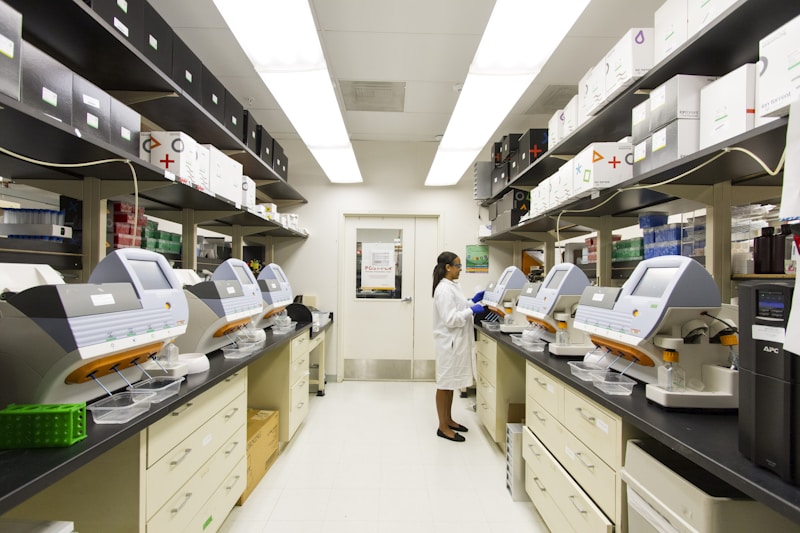
Oncology nurses earn near the all-RN average with BLS data showing approximately $94,480 mean. The OCN certification adds a measurable premium. Here is the full compensation picture for cancer care nursing.
National Salary Data
The Bureau of Labor Statistics does not have a separate occupation code for oncology nurses — they fall under SOC 29-1141 (Registered Nurses). However, multiple data sources provide oncology-specific salary information:
- BLS (RNs in physician offices and outpatient centers, where many oncology nurses work): Mean ~$94,480/year
- Payscale (oncology-specific): Median approximately $85,940 (July 2025)
- Glassdoor: Average base ~$88,000
- ZipRecruiter (OCN-certified nurses): $70,000-$90,000 range nationally
- Indeed: Oncology RN salaries from $29.74/hour (Alabama) to $56.02/hour (California)
The wide range reflects geography, setting, and certification status. In general, oncology nursing pays approximately at or slightly below the all-RN average in most markets, with certified and specialized oncology nurses earning above average.
How Setting Affects Oncology Nurse Pay
Academic cancer centers (NCI-designated):
- Highest pay for oncology nurses: $90,000-$130,000
- Examples: MD Anderson, Memorial Sloan Kettering, Mayo Clinic
- These facilities pay premium rates because they require chemotherapy administration competency, research protocol knowledge, and high-acuity patient management
Outpatient infusion centers (hospital-owned):
- $80,000-$105,000
- Most common oncology nurse employer
- Monday-Friday, day shift (major scheduling advantage)
- Administering chemotherapy, biotherapy, immunotherapy
Physician practice/private oncology groups:
- $75,000-$95,000
- Smaller teams, more autonomy
- May include clinical trial coordination duties
Inpatient oncology units (hospital):
- $85,000-$110,000+ (including differentials)
- Night and weekend shifts available with standard hospital differentials
- Higher acuity: bone marrow transplant, acute leukemia, surgical oncology
Radiation oncology:
- $80,000-$100,000
- Highly specialized niche
- Smaller teams, predictable schedules
The OCN Certification Premium
The Oncology Certified Nurse (OCN) credential from the Oncology Nursing Certification Corporation (ONCC) is the gold standard:
Requirements:
- Active RN license
- Minimum 2,000 hours of adult oncology nursing practice within the past 4 years
- 10+ continuing education contact hours in oncology within the past 3 years
- Pass a 165-question examination
Salary impact:
- OCN-certified nurses earn an estimated $3,000-$7,000/year more than non-certified oncology nurses
- Many cancer centers require or strongly prefer OCN for advancement
- Some facilities offer one-time certification bonuses of $1,000-$3,000
- Higher base placement on clinical ladder systems
Other ONCC certifications:
- AOCN (Advanced Oncology Certified Nurse) — for MSN-prepared nurses
- CPHON (Certified Pediatric Hematology Oncology Nurse)
- CBCN (Certified Breast Care Nurse)
- Each carries similar salary premiums within their subspecialty
Why Oncology Nursing Doesn't Command a Larger Premium
Given the specialized knowledge required (chemotherapy safety, hazardous drug handling, complex symptom management), why doesn't oncology pay more than the average RN?
1. Outpatient scheduling is the trade-off. Many oncology positions are M-F daytime in infusion centers. Nurses accept lower base pay in exchange for no nights, no weekends, no holidays — a schedule premium that doesn't show up in hourly rate comparisons.
2. Lower physical demand. Compared to ICU, ER, or med-surg, outpatient oncology involves less lifting, less running, and more predictable patient flow. The "body premium" that high-physical-demand specialties command doesn't apply.
3. Emotional compensation. Oncology nursing attracts nurses who value deep patient relationships over a career. Many stay for decades, reducing turnover and wage competition.
4. No mandatory call or emergencies (in outpatient settings). OR nurses earn call pay; ER nurses get trauma premiums. Outpatient oncology has neither.
Career Trajectory in Oncology
Oncology offers strong long-term earning potential:
- Staff oncology RN: $80,000-$100,000
- Oncology Nurse Navigator: $90,000-$115,000 (growing role, helps patients through treatment decisions)
- Clinical Research Nurse/Coordinator: $85,000-$110,000 (pharmaceutical-sponsored trials pay well)
- Oncology Clinical Nurse Specialist: $100,000-$130,000 (MSN required)
- Oncology NP: $115,000-$160,000 (manages patients in collaboration with oncologists)
- Infusion Center Manager: $95,000-$125,000
The Hazardous Drug Exposure Question
Oncology nurses handle cytotoxic chemotherapy agents — known carcinogens. This occupational hazard rarely translates to explicit "hazard pay," but it's a consideration:
- NIOSH guidelines require closed-system transfer devices, PPE, and biological safety cabinets
- Studies have detected chemotherapy metabolites in nurses' urine even with PPE compliance
- Some nurses argue this exposure warrants hazard compensation similar to what radiation workers receive
Currently, no major facility offers specific chemo-handling hazard pay, but it's an ongoing advocacy issue within the Oncology Nursing Society (ONS).
Sources: Bureau of Labor Statistics OEWS (SOC 29-1141 by industry), Oncology Nursing Certification Corporation (ONCC) OCN requirements, Payscale oncology nurse salary data (2025), NursingEducation.org salary analysis, Glassdoor verified salaries, NIOSH hazardous drug handling guidelines.